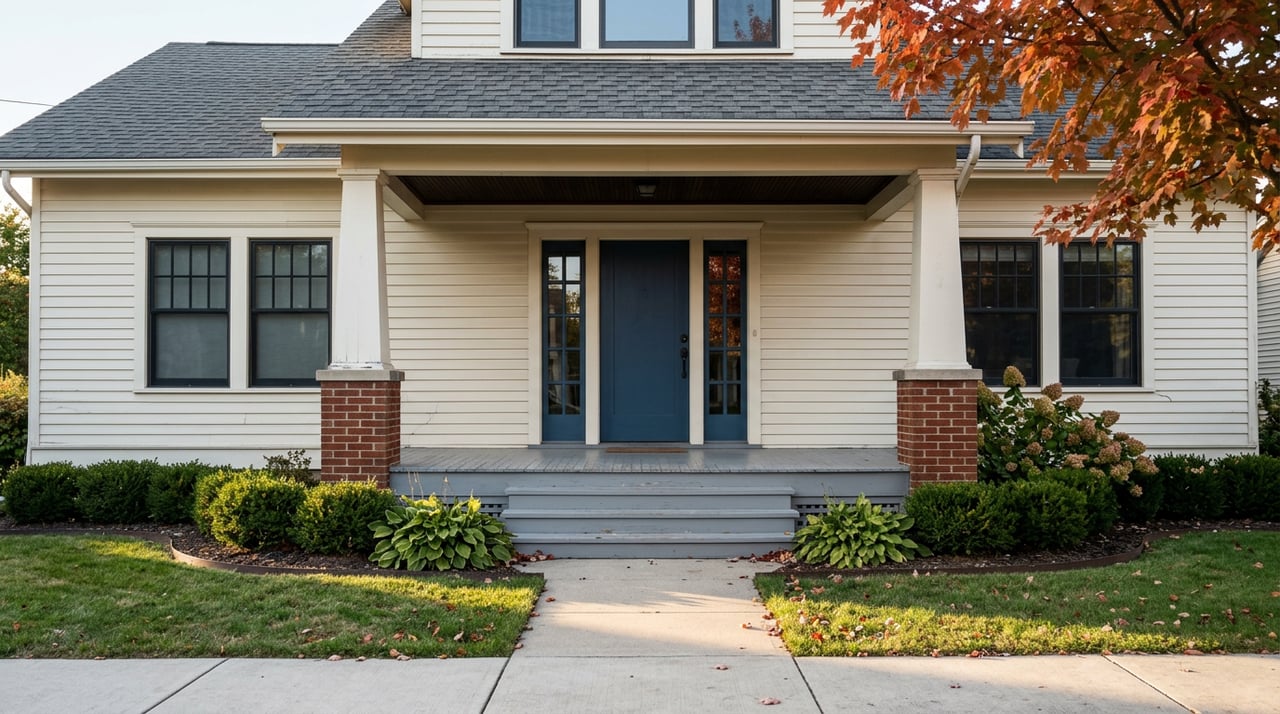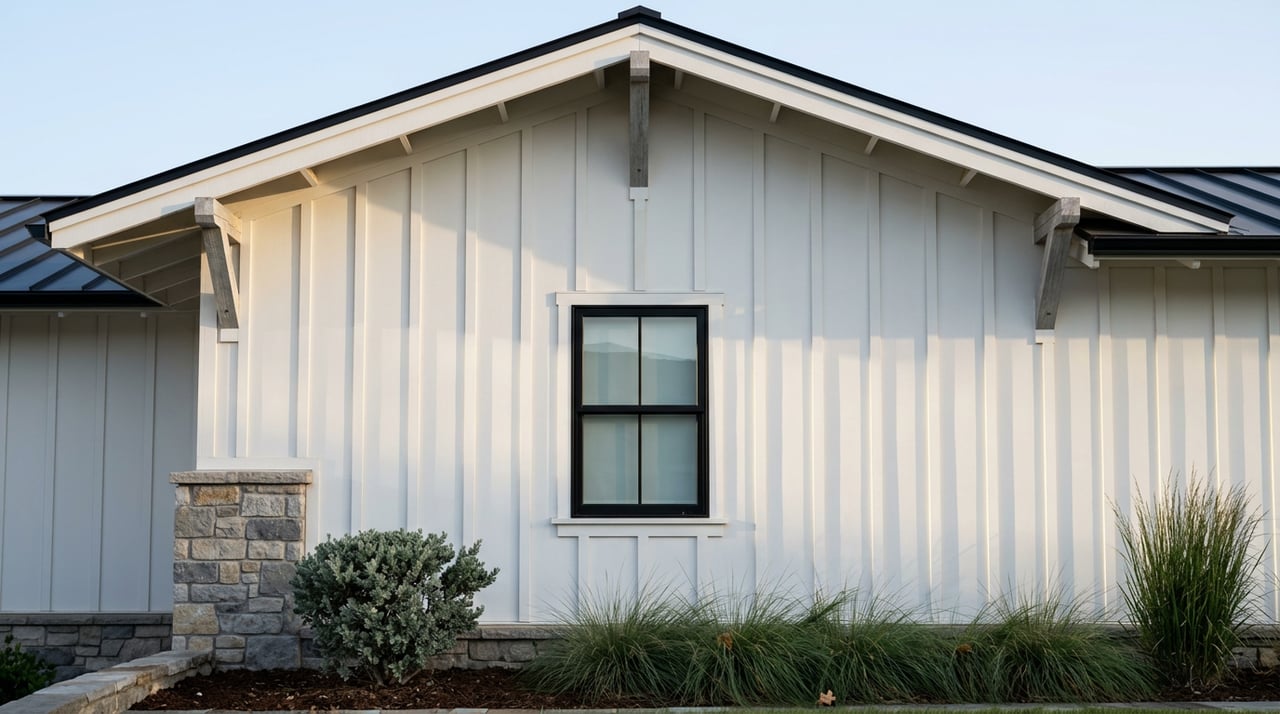
A buyer we worked with this year went under contract on a 1912 bungalow in Capitol Hill with a plan already sketched out: pop a dormer into the roofline, add a primary suite, close in six weeks after closing. The house sits inside one of Salt Lake City's local historic districts, and the plan hit a wall the buyer hadn't priced into the timeline. A dormer addition on a contributing structure doesn't go straight to a building permit. It goes to Salt Lake City's Historic Landmark Commission first, as a Certificate of Appropriateness application, and that process alone can outlast the renovation the buyer was budgeting for.
That's the part of buying, selling, or renovating in one of these districts that catches people off guard. The city's historic protections are real, specific, and procedurally heavy. What they are not is a guarantee that the neighborhood around your protected facade stays still. Salt Lake City spent 2025 rewriting large parts of its zoning code, and the changes landed at the same time the preservation rules stayed exactly as strict as before. Understanding both halves of that story, not just the permit rules, is what actually matters if you're about to sign something.
What needs sign-off, and what doesn't
Salt Lake City has 14 locally designated historic districts, among them the Avenues, Capitol Hill, Central City, Yalecrest-Douglas Park, Westmoreland Place, South Temple, Exchange Place, University, and City Creek/Memory Grove, plus roughly 150 individually designated landmark sites scattered outside those district boundaries. Inside any of them, exterior work on a contributing structure needs a Certificate of Appropriateness before a building permit will be issued. Paint color and routine maintenance are the exceptions.
Not every project gets the same review. The city sorts applications into three tiers, and which one your project lands in determines whether you're waiting on a staff planner or waiting on a public hearing:
| Review tier | Typical projects | Who decides |
|---|---|---|
| Walk-in staff review | Re-roofing, minor alterations | Planning counter staff, same day |
| Administrative staff review | Window replacement, garages, additions under 50% of the existing footprint | Assigned planner |
| Historic Landmark Commission public hearing | Demolition of a contributing structure, new primary construction, major alterations | HLC, after a noticed hearing |
The dormer in our buyer's example fell into the third tier because it changed the massing of a contributing structure. That meant a hearing date, not a counter visit.
The clock nobody mentions until it's running
Once a Certificate of Appropriateness is issued, it's only valid for one year unless a building permit has been pulled or complete plans are already in for building review. If a project is going to run longer than that, the request for an extension has to go in at least 30 days before the certificate expires. For a buyer stacking a renovation loan, a contractor's schedule, and a move-in date on top of an approval that hasn't been granted yet, that one-year window is the detail that turns a tight plan into a stalled one. Build the hearing and approval time into the offer, not into the punch list.
The protection has a weak link, and the city's own record shows it
Local historic designation is supposed to be the strong version of protection, stronger than a National Register listing on its own, since National Register-only districts carry no demolition protections at all. But the record in Salt Lake City shows that local designation isn't airtight either. Since 1991, 51 contributing buildings have been demolished in the Central City Historic District alone. Part of the reason is procedural: a building's contributing status can be changed through an administrative process rather than a full public hearing, which gives owners and developers a path around the review that's supposed to stop demolitions before they start.
That gap has shown up in real cases recently. The Fifth Ward Meetinghouse was illegally demolished in March 2024, which drew enough public attention that the City Council added new enforcement measures afterward. The Chateau Normandie Apartments landed on a 2025 Most Endangered list for buildings in or near historic districts, a reminder that designation alone doesn't guarantee a building's future. City Councilwoman Ana Valdemoros put the underlying pattern plainly at a 2023 council meeting, saying the city is "losing them and losing the character," referring to the slow loss of contributing buildings through small changes and neglect rather than dramatic teardown.
The zoning shift arrived at the same time
Here's the part that changes how a buyer or investor should actually read a historic district listing today. In July 2025, the City Council combined 26 commercial, form-based, and mixed-use zones into six new Mixed-Use districts, a change that took effect in October 2025 and standardized building height and size rules across much of the city while opening up more flexible land uses. Two months later, in December 2025, the city merged the RMF-35 and RMF-45 multifamily zones and loosened lot size and parking requirements for middle housing, both changes that make redevelopment more financially attractive on parcels that sit in or near historic neighborhoods. Reporting from local land-use coverage also points to a possible MU-15 zone in 2026, which would allow buildings up to 15 stories in certain areas, and a potential upzoning of the Rio Grande district to D-4, permitting structures up to 600 feet.
None of this touches the facade rules inside a historic district. A contributing bungalow in Central City still needs a Certificate of Appropriateness for the same dormer it needed one before. What's changed is the value of the land underneath and around it. When the zoning envelope gets bigger next door, or on a non-contributing lot inside the same district, the pressure to redevelop instead of restore goes up, even while the individual house stays exactly as protected as it was.
What this means depending on which side of the transaction you're on
If you're buying a contributing structure and planning any exterior change beyond paint, get the review tier confirmed before you write the offer, not after. A phone call or email to the city's historic preservation staff at the address on their applications page will tell you whether your project is a same-day counter approval or a hearing-bound application, and that answer should shape your close date and your renovation budget both.
If you're selling a contributing home, the local designation is a genuine selling point. It signals to a buyer that the streetscape and the architectural character they're paying for won't change out from under them. Say that plainly in your listing. What's worth knowing on your end is that the neighborhood's redevelopment energy can rise even when your own house's protections don't move, so don't assume the district's stability extends to every parcel around you.
If you're an investor or small developer, the more interesting math is on non-contributing structures and on lots where a status change through the administrative process is plausible. Those properties sit inside historic boundaries but don't carry the same exterior restrictions, and they're the ones most exposed to the new Mixed-Use zoning and the multifamily changes that took effect in late 2025. That's a different risk and opportunity profile than the market currently seems to price for a listing that simply says "historic district."
A few questions worth asking early
Does every exterior change need a Certificate of Appropriateness? Any exterior work on a locally designated contributing structure or landmark site needs one, aside from paint color and routine maintenance. Confirm with the city's historic preservation staff before assuming your project qualifies for a quick administrative sign-off.
What's the real difference between a local historic district and a National Register district? All of Salt Lake City's locally designated districts are also on the National Register, but not every National Register district carries local designation. Local designation is what triggers the Certificate of Appropriateness requirement and demolition review. National Register-only status carries no demolition protection.
How long should I budget for review? Minor projects can clear at the planning counter the same day. Anything requiring a Historic Landmark Commission hearing needs to be scheduled, reviewed, and decided before a building permit moves forward, and the resulting certificate is only good for one year unless a permit or complete plans follow.
Buying, selling, or renovating inside one of Salt Lake City's historic districts means working with two systems at once: a preservation process that's detailed and genuinely protective of the structure itself, and a zoning map that's moving faster than most listings let on. Getting the sequence right, and knowing which system governs which decision, is the difference between a smooth close and a stalled one.
If you're weighing a purchase, a listing, or a redevelopment play inside one of these districts, Swett Equity Real Estate can walk through the specific parcel, its contributing status, and what the current zoning actually allows before you're locked into a timeline. Let's Connect.