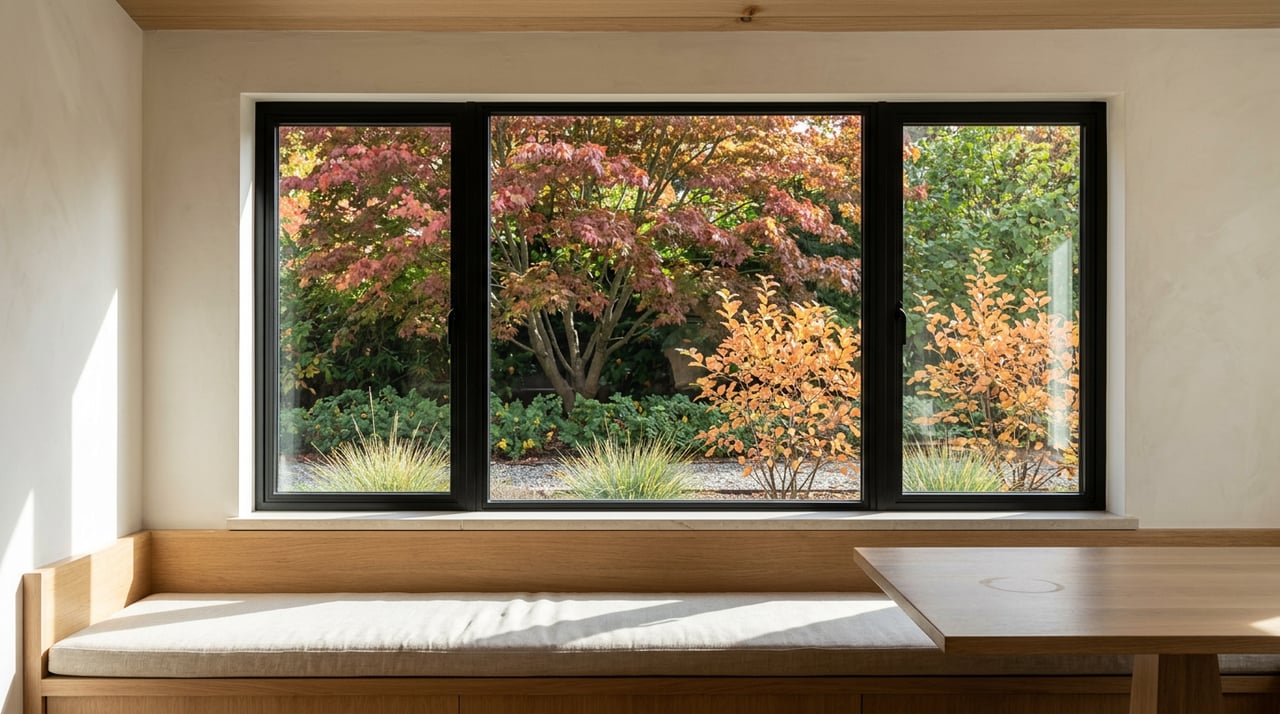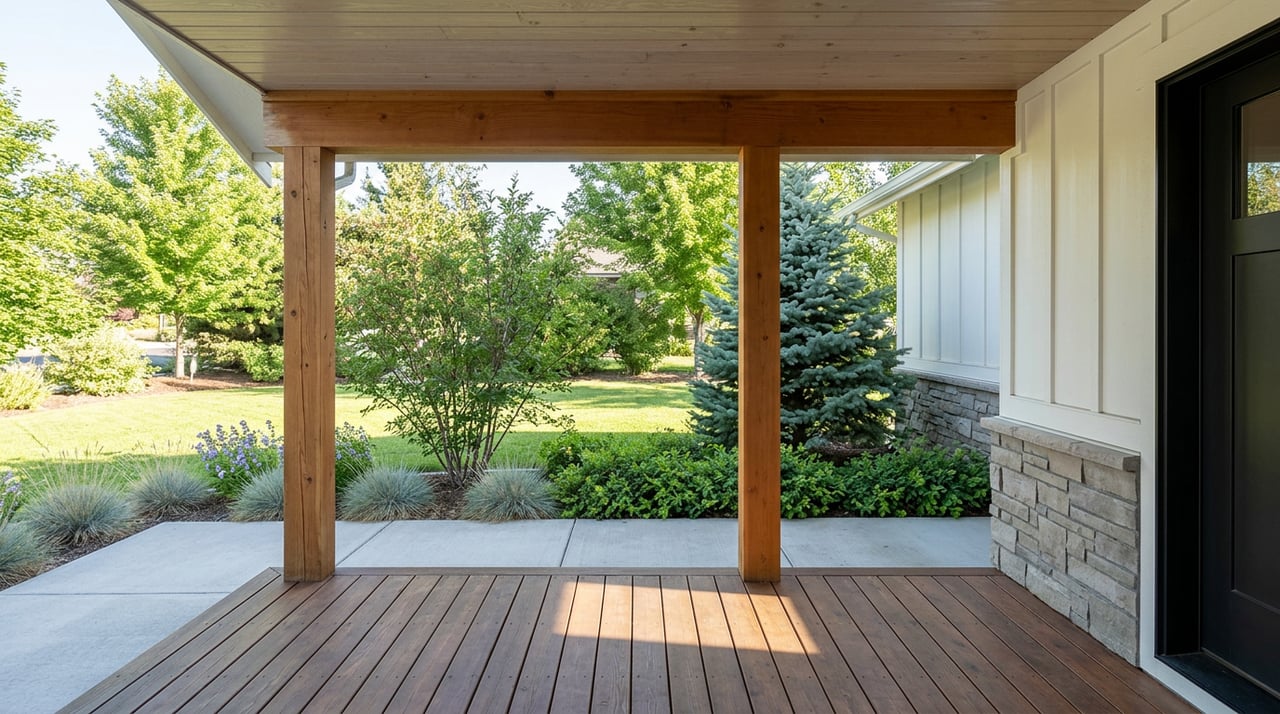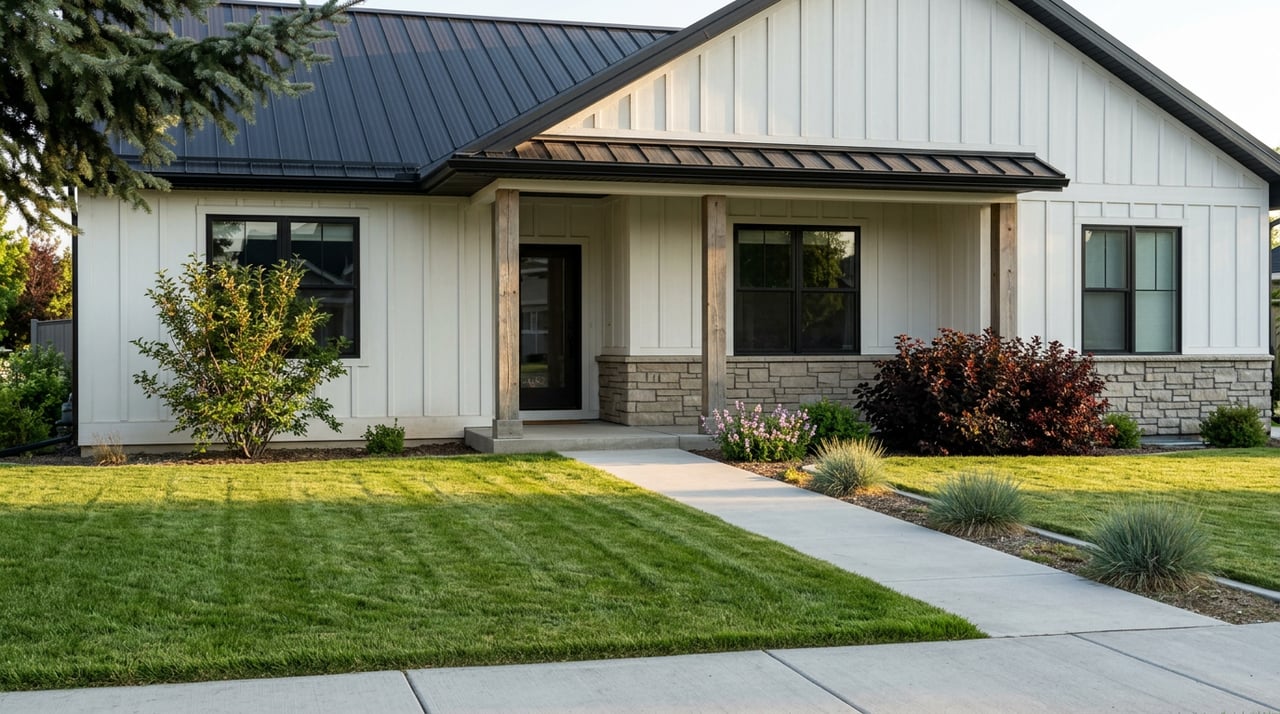
Two homes sit on the same block in Logan, same subdivision, same lot size, same green lawn rolling out to the sidewalk. Walk the yard on either property and you'd swear they were identical. One of those lawns is fed by a few shares in a mutual irrigation company that cost the owner maybe forty or fifty dollars a year to run. The other has no water attached to it at all. Nothing about the grass tells you which house is which. You find out only when you ask, and in Cache Valley, a lot of buyers never think to ask.
That gap sits in a stock ledger at a canal company office, not at the Cache County Recorder. Logan City's own water system records state plainly that the city does not track which residents hold shares in ditch irrigation companies, and that anyone trying to sort it out needs to contact those companies directly. If the city that runs your street doesn't know who owns the water under it, a buyer relying on a walkthrough and a listing description is guessing.
This year the guess costs more than it used to. A regional water project just finished its public comment period this summer, and at least one Cache Valley irrigation company has already found a paying use for its shares that has nothing to do with anyone's lawn. Both of those facts change what a seller has to gain by staying quiet about water, which is exactly the kind of shift a purchase contract needs to catch and mostly doesn't.
One Word, Three Different Things
"Water" on a Logan listing can mean three legally distinct assets, and only one of them behaves the way most buyers assume.
| Term | What it actually is | How it transfers |
|---|---|---|
| Water right | A state-recorded right to divert and use water, tied to a priority date | Real property, but only conveys if it's written into the sale and reported to the state |
| Water share | Stock in a mutual irrigation or canal company | Personal property that transfers on the company's own books, not by the deed |
| Secondary water | Untreated, pressurized water on a separate pipe for lawns and gardens, typically running mid-April through mid-October | Depends on whether it's tied to shares, a company hookup, or a subdivision system |
A house can carry all three, one, or none, and the sprinkler heads in the yard look the same either way.
The Sentence in the Contract That Decides Ownership
The Utah Real Estate Purchase Contract defines "Property" to include water rights and water shares only if they're specifically written into certain sections of the form. Leave that line blank and the water simply isn't part of the sale, no matter how long the sprinklers have been running or how the listing photos look.
Utah courts have split on how much a buyer can assume from history alone. In one Utah Supreme Court case, decades of irrigation use on a parcel was enough to rule that unmentioned water shares transferred with the land. In another, a sibling lost her claim to two shares because she'd occasionally watered her homesite with a different source, breaking the presumed link between the land and the water. Judges disagree on this. A buyer relying on an unwritten assumption is betting against people whose job is untangling exactly that kind of ambiguity.
Logan Keeps the Pipes on Record, Not the Water
Inside city limits, several mutual companies still run the ditches first laid out when Logan became the Cache County seat in 1860. The Logan North Field Irrigation Company was formed in 1903 and still distributes roughly 1,500 shares through a canal that runs north from Center Street. The Crockett Avenue Irrigation Company, an umbrella of ten separate canal companies, serves a wider stretch across Logan, North Logan, and Hyde Park. None of that shows up on a title report. You find it by calling the company and asking whether the parcel is served, how many shares are attached, and whether the account is current on assessments.
Why Sellers Have More Reason to Hold Onto Shares Than They Used To
Here's the part that should change how a buyer reads a Logan listing this year: water shares in Cache Valley are no longer only good for growing grass.
Benson Irrigation Company, one of the ten canal companies under the Crockett Avenue umbrella, is already leasing its April and October water rights to the Great Salt Lake, a use that puts cash value on shares independent of anyone's yard. At the same time, irrigation companies face a real incentive to keep water in active use rather than let it sit idle, since Utah water law can strip a right that goes unused for beneficial purposes. Crockett Avenue Irrigation Company president Gordon Coulson has said publicly that part of the appeal of the current watershed project is protecting the company's rights from exactly that risk.
Put those two facts together and a seller has more reason than in past decades to keep shares rather than pass them along as a courtesy. For most of Cache Valley's history, water just came with the house because nobody thought to separate the two. That default is loosening in real time, which means the old habit of assuming inclusion is now the riskier habit, not the safer one.
The Project Making This Year Different
The Natural Resources Conservation Service ran public comment on the Logan River Watershed Plan-EIS, known locally as the First Dam Alternative, through June 22, 2026, following a public meeting at Logan High School on May 20. The project is sponsored jointly by the Cache Water District, Crockett Avenue Irrigation Company, and the cities of Logan, North Logan, and Hyde Park, and it would reroute secondary water delivery for all three cities by piping water from First Dam rather than letting it run through the Little Logan River.
Logan Public Works Director Paul Lindhardt has noted the project would remove 28 homes near the river from a flood plain, a real benefit for those specific properties. It would also change flow in the Little Logan River itself: state data shows roughly 70 cubic feet per second passing through the channel near Riverside Drive today, against a proposed baseline of just 5 to 10 cfs under the new system, a reduction that has drawn public pushback over recreation and downstream effects on the Great Salt Lake.
Worth separating this from a similarly named but different Logan City capital project already under construction: the First Dam Tank and Pipeline Project on 300 North and Canyon Road, building a 10 million gallon storage tank with work continuing through fall 2026. Same landmark, two different projects, and either one can affect what secondary water actually costs or how it's delivered to a specific address in the next few years.
What To Confirm Before You Write an Offer
- Ask which irrigation or canal company, if any, actually serves the parcel. A subdivision name doesn't guarantee a specific lot carries shares.
- Get the share count in writing, then call the company yourself to confirm the certificate is real and assessments are paid current.
- Read Sections 1.1, 1.2, and 1.4 of the REPC line by line. A blank field is not an oversight in your favor.
- Ask whether the property sits in Crockett Avenue Irrigation Company's service area, since that footprint was the subject of this year's federal review and still awaits a final decision.
- Price in the cost of buying shares separately if none convey. Established Cache Valley irrigation shares trade anywhere from a few hundred dollars each to several thousand, depending on the company and the water source.
The dollars behind this aren't abstract. Cache County's median sale price ran $468,000 over the three months ending May 2026, up 6.5 percent from the year before, while Logan's own average home value sat at $394,384 as of May 31, 2026, up 2.1 percent year over year. On a purchase near either number, a share or two that quietly stays with the seller isn't a rounding error. It's a real cost that shows up the first July the lawn goes brown and there's no cheap water to fix it.
A Few Quick Answers
Does a green lawn mean the home has water shares? No. A lawn can be green from culinary water on a city meter, which costs far more per gallon than secondary water and tells you nothing about whether shares exist.
What happens if the seller keeps the shares and never mentions it? The house still closes. The buyer just inherits a yard with no cheap water source unless the contract specifically included shares and the transfer was completed through the company, not the deed.
Will the First Dam Alternative change who gets secondary water in Logan? That's still being worked out. The comment period closed in June 2026 and a final decision hasn't been announced, which is exactly why buying or selling in the Crockett Avenue Irrigation Company's service area right now calls for asking specific questions rather than assuming last year's answer still holds.
Water in Cache Valley has always been personal property with its own paper trail, separate from the house it happens to sit under. This year, with real money now available for leasing shares elsewhere and a regional pipeline project waiting on a final decision after months of public review, that separation matters more than it has in a long time. If you're weighing a purchase or a listing anywhere in Logan's irrigated neighborhoods, get the water answered before the ink dries, not after.
Danny Swett works Northern Utah real estate with the same underwriting instinct he brings to flips and land deals, which means water questions get asked before they become closing-day surprises. Let's connect if you want a clear read on what a specific Logan property actually carries.