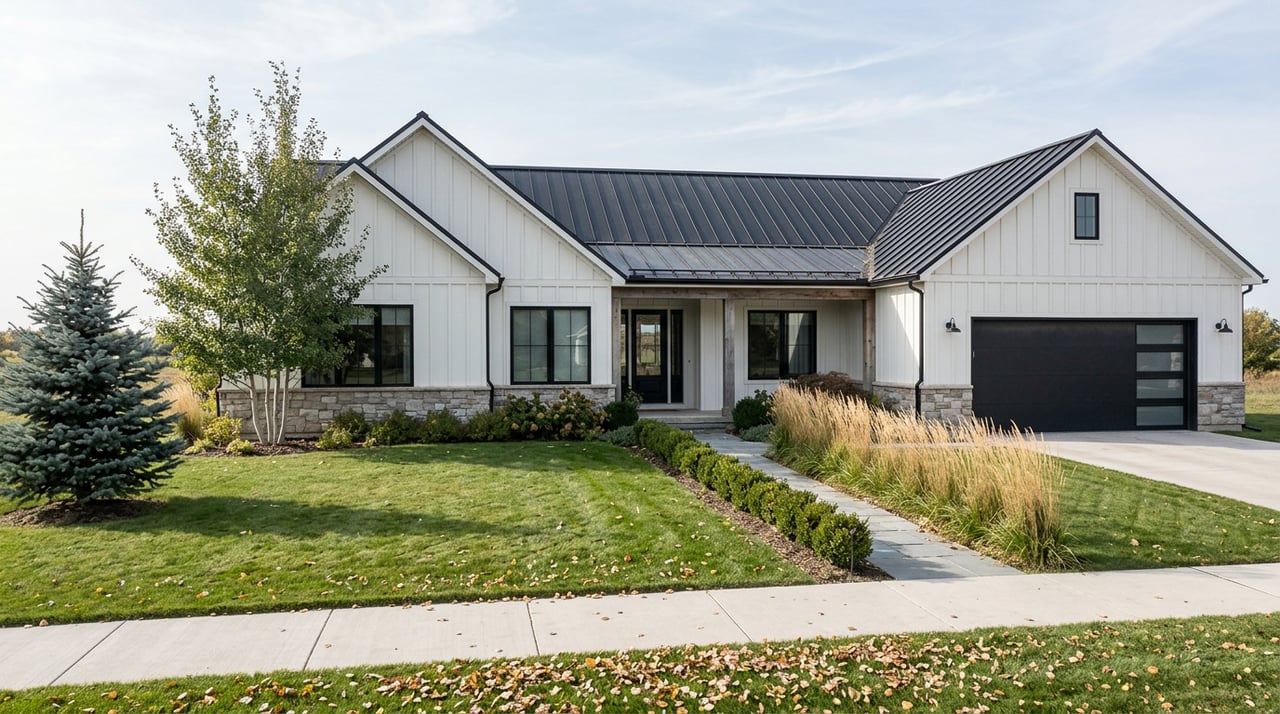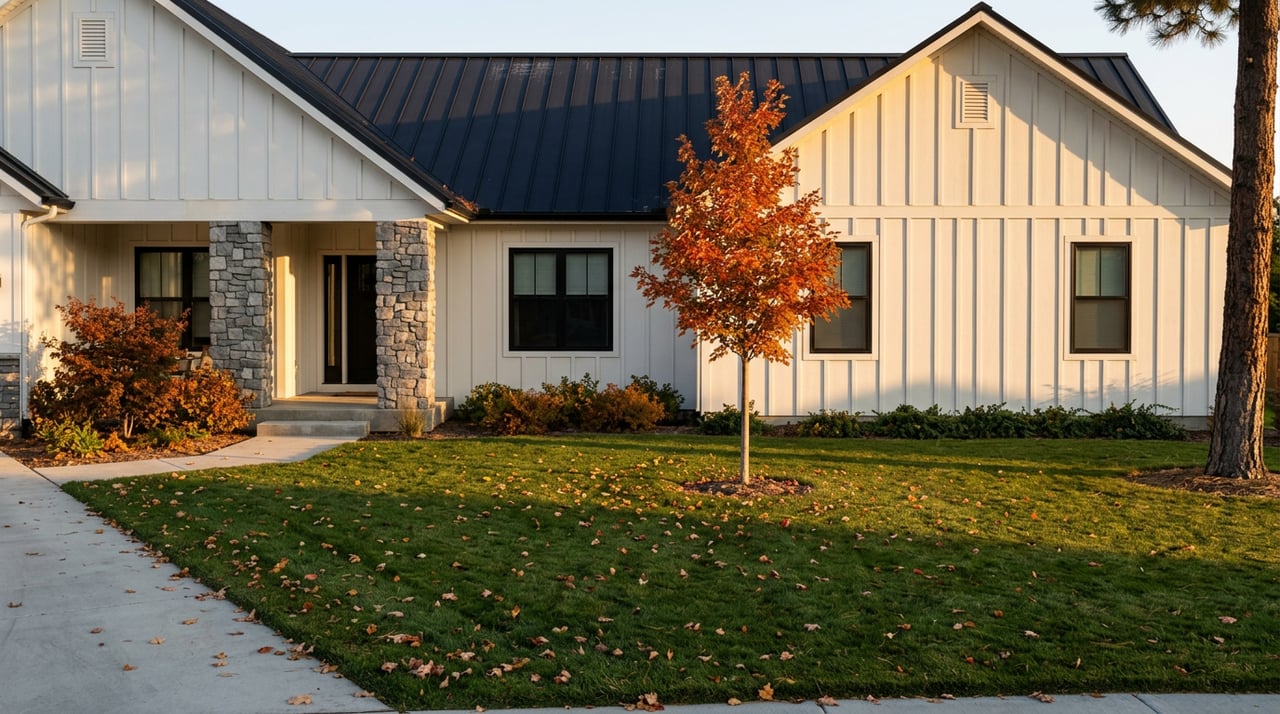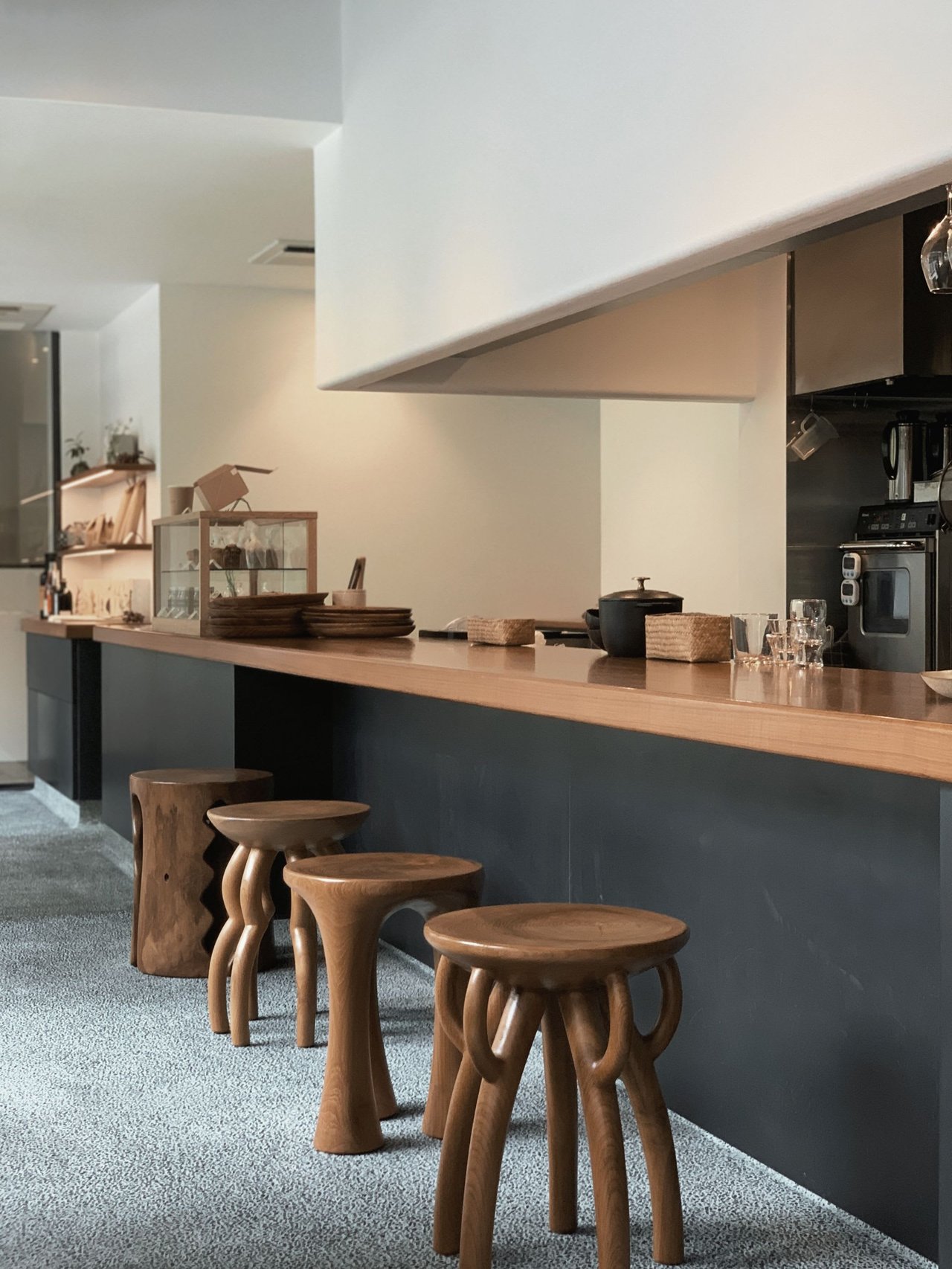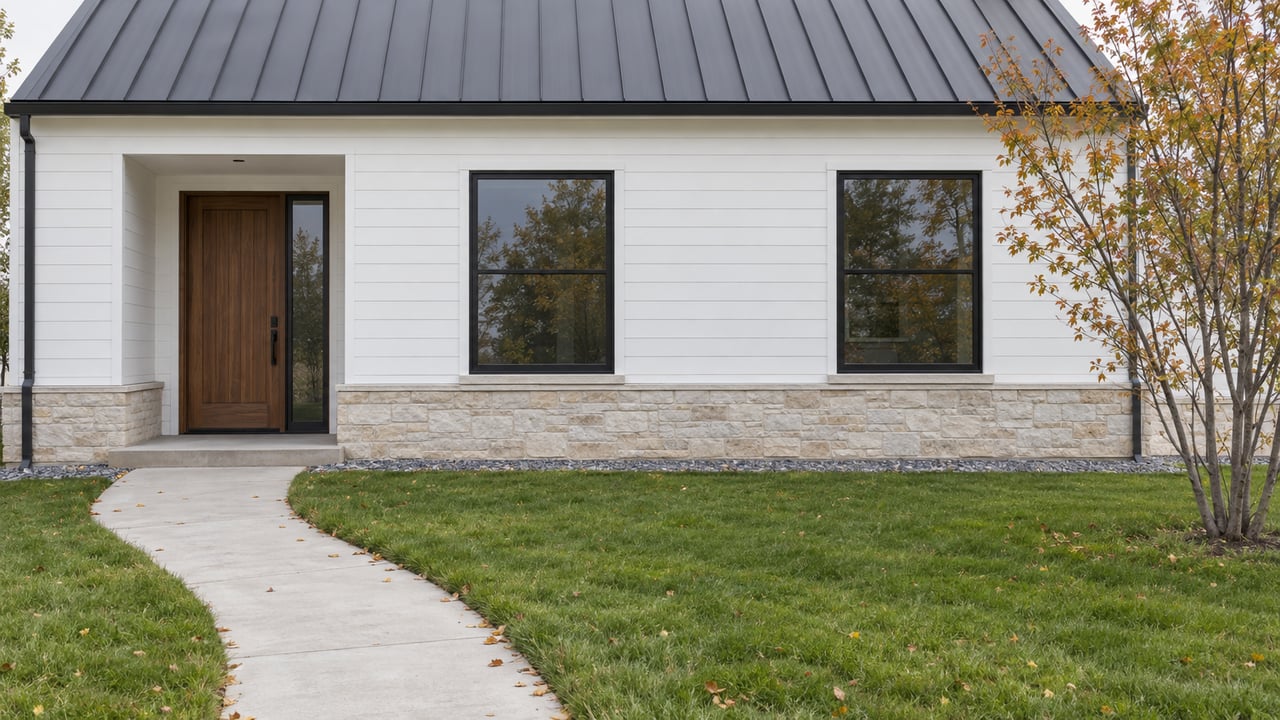
The house at the center of Utah's Advisory Opinion 224 was built in 1956, before Logan City had zoning ordinances at all. It went up as a legal triplex, three separate dwelling units under one roof, and the basement unit still has the original built-in furniture from that year: bed frames, desks, dressers and closets, arranged like dorm rooms because that's exactly what they were meant to be. For decades, a family lived on the main floor and shared that basement with single college students who occupied it as boarders.
In December 2019, Logan City revoked the property's landlord business license. The city had determined that the arrangement put more than three unrelated adults into a single dwelling unit, which is the citywide occupancy cap. The property's trust argued the house had a grandfathered right to exceed that number, since the arrangement predated the ordinance. The Utah Office of Property Rights disagreed. The house kept its legal status as a triplex, three separate units are still allowed there, but the state found no evidence that any single one of those units had a protected right to house more than three unrelated adults. Being old didn't buy the owner an exception. The cap applied anyway.
That case is a useful place to start because it shows exactly where the friction sits for anyone buying rental property in Logan: not in the bedroom count, not in the square footage, but in a zoning line that has nothing to do with what the house looks like.
Two Zones, Two Different Ceilings
Logan Municipal Code 5.17.095 and Chapter 17.13 of the Land Development Code set a default rule that applies almost everywhere in the city: a dwelling unit can be occupied by a family, or by no more than three unrelated adults, or by a family plus one additional person. Bedroom count is irrelevant to that number. A five-bedroom house in a standard residential zone is still capped at three unrelated tenants unless one of them is related to another by blood, adoption or marriage.
There is exactly one carved-out exception, the Campus Residential zone, created specifically to cluster higher-density student housing near Utah State University and take pressure off ordinary single-family blocks. Inside CR zoning, a unit can house up to six unrelated individuals, with a hard limit of two people per bedroom.
| Standard residential zone | Campus Residential (CR) zone | |
|---|---|---|
| Unrelated occupants allowed | 3, or family plus 1 | Up to 6 |
| Per-bedroom limit | Not specified | 2 maximum |
| Where it applies | Most of Logan | A defined overlay near USU |
| Business license required | Yes, for rentals | Yes, for rentals |
The two zones can sit on adjacent blocks. A buyer comparing two similar-looking five-bedroom houses a street apart can be looking at a legal ceiling of three tenants in one and six in the other, and nothing on a listing sheet will tell you which is which.
State Law Sets a Floor, Not This Zone's Shape
It's worth understanding why Logan gets to run this tight in the first place. In 2021, the Utah Legislature passed a law, now codified at Utah Code 10-20-602, that sets a statewide minimum on how restrictive a city's occupancy ordinance can be. Cities that contain a state or private university with at least 20,000 students are only required to allow a floor of three unrelated occupants. Every other Utah municipality has to allow at least four.
That's a floor, not a ceiling, and it runs opposite to what you'd expect. Logan, a college town built around a university with more than 25,000 undergraduates, is legally allowed to be more restrictive on paper than a Utah town with no university at all. The legislature's assumption was that a city with a large student population would build its own relief valve, and Logan did exactly that with the Campus Residential overlay rather than raising the citywide number. The practical result for an investor is that the general residential stock across Logan stays at three, and the six-person allowance only exists inside a mapped boundary the city drew on purpose.
The Paperwork That Comes Before the Rent Check
Logan doesn't leave this to interpretation once a tenant signs a lease. City code makes it unlawful to lease or sublease a rental dwelling without first giving the tenant written notice of the occupancy limit for that zone, either inside the lease itself or on a zoning occupancy disclosure form. If a code officer or police officer asks for it, the landlord has seven days to produce a copy.
Logan also publishes a public GIS lookup tool that shows the allowed occupancy for any residential address in the city, built after the city found that the only way to check used to be a phone call to the neighborhood improvement office. It exists precisely so a buyer, a real estate agent or a current tenant can verify a property's legal capacity before signing anything, and it is the single fastest way to confirm whether a listing sits inside the CR boundary or outside it.
The other detail that catches new landlords is that the business license required to legally rent a property in Logan attaches to the ownership entity, not to the house. As of August 2026, that license runs roughly $75 to open and $50 to renew, with a monthly penalty after a 30-day grace period if it lapses. Buy a rental property from someone who already has a license on it, and you don't inherit that license. You start the application over, under your own name or LLC, before you can legally collect rent.
What This Does to the Math
None of this is academic once you start running numbers. Redfin's data for the three months ending August 2026 puts Logan's median sale price at $417,000, up 3.8 percent from the same period a year earlier, with homes averaging 47 days on market, down from 53 days the year before. That's a market where a buyer still has some room to negotiate, but it's moving faster than it was.
The zoning line changes what that purchase price is actually buying. A CR-zoned property can legally rent by the bed to six tenants, at two per bedroom, which is the only configuration in Logan where a true student-housing model pencils out at scale. A comparable house one block outside that boundary is capped at three unrelated renters no matter how many bedrooms it has, which pushes the realistic tenant profile toward a single family, a small group of roommates, or a long-term lease to the kind of tenant who works at one of Logan's non-university employers, places like Conservice, ICON Health and Fitness, Schreiber Foods, or Logan Regional Hospital.
Short-term rental is the other option some buyers consider instead of navigating the unrelated-occupant cap altogether, since overnight guests aren't tenants in the same legal sense. AirDNA's data through July 2026 shows 236 active short-term listings in Logan, running 62 percent annual occupancy with an average daily rate of $151 and about $19,000 in average annual revenue per listing, figures that were up double digits year over year on both revenue and occupancy even as the average nightly rate softened. That revenue leans heavily on a summer window built around outdoor recreation season and USU's academic calendar, which means a short-term strategy still has to be underwritten against a market with a real off-season, not treated as a steady substitute for the by-the-bed model that only works inside the CR zone.
Before You Write the Offer
- Pull the address on Logan's GIS occupancy map and confirm the zoning designation in writing, not just the seller's or agent's word for it.
- If the property is inside the Campus Residential zone, count actual bedrooms against the two-per-bedroom cap. Six unrelated tenants requires enough bedrooms to house them legally, not just enough square footage.
- Ask whether an existing rental business license exists on the property, then plan to apply for your own. It doesn't transfer with the sale.
- Request any current zoning occupancy disclosure forms the seller has used with tenants, both as a paperwork trail and as a sign the seller has been operating the property compliant with the cap.
- If the house predates Logan's zoning ordinances, don't assume that history creates an exception to the occupancy limit. It may protect the number of legal dwelling units on the lot without protecting how many unrelated people can occupy any one of them.
Does buying in the Campus Residential zone guarantee six tenants? No. The zone sets a ceiling of six unrelated individuals per unit, but the two-per-bedroom limit still applies underneath that number. A three-bedroom unit in the CR zone tops out at six only if every bedroom is large enough to be counted for two occupants under the code.
Who has to sort out the paperwork, the buyer or the seller? The buyer. The license and any disclosure history belong to the ownership entity that held them, and a sale doesn't carry either one forward. Budget the time and the fee to apply fresh before your first tenant moves in.
The floor plan on a Logan listing tells you how many bedrooms a house has. It doesn't tell you how many people you're legally allowed to put in them. That answer lives on the zoning map, and it's worth checking before the offer, not after the lease is signed. If you're weighing a purchase near USU and want a second set of eyes on what a specific address actually allows, Danny Swett works this exact corner of the Logan market and can help you run the numbers against the zone, not just the square footage.