If you want to maximize your equity when selling in Salt Lake City, hoping the market does all the work is not the best plan. In a market where homes are taking longer to sell and price growth is modest, buyers tend to notice condition, presentation, and value more closely. The good news is that you do not need a full remodel to make a strong impact. With the right prep strategy, you can protect your price, attract better offers, and reduce avoidable friction before you list. Let’s dive in.
Why prep matters in Salt Lake City
Salt Lake City is still an active market, but it is not moving at the pace sellers saw a few years ago. According to Redfin’s Salt Lake City housing market data, the median sale price in March 2026 was $597,750, homes received about two offers on average, and homes were spending several weeks on the market.
That slower pace changes how buyers evaluate your home. When appreciation is modest and buyers have more time to compare options, visible wear, outdated finishes, or weak presentation can have a bigger effect on your final sale price. In other words, your equity is less likely to grow from market momentum alone and more likely to depend on how well your home shows.
Focus on return, not random upgrades
A common mistake is spending money in the wrong places. If your goal is resale, the smartest prep plan is usually the one that removes buyer objections and improves first impressions, not the one with the biggest renovation budget.
The 2025 Cost vs. Value Report from Zonda shows that many of the highest-return projects are exterior improvements. Garage door replacement, steel entry door replacement, manufactured stone veneer, and fiber-cement siding all ranked near the top nationally for cost recouped. Even a minor kitchen remodel performed better than many large, expensive interior projects.
That matters because buyers often form opinions before they ever walk through the front door. If the exterior feels clean, maintained, and inviting, buyers are more likely to walk in with confidence.
Start with visible maintenance issues
Before you think about cosmetic upgrades, walk through your home like a buyer would. Your first priority should be fixing anything that makes the home feel neglected or unfinished.
Pay close attention to:
- Roof or gutter issues
- Plumbing leaks or water stains
- Cracked or worn caulk
- Damaged trim or siding
- Broken light fixtures or hardware
- Scuffed paint
- Flooring damage or uneven transitions
- Anything that signals deferred maintenance
In a balanced market, buyers are less likely to overlook these details. Even small defects can raise questions about bigger hidden problems, which can affect both offers and inspection negotiations.
Invest where buyers notice first
Once the repair list is under control, shift your focus to updates that improve how the home looks in person and online. These are often the areas where sellers can get the best practical return.
Boost curb appeal
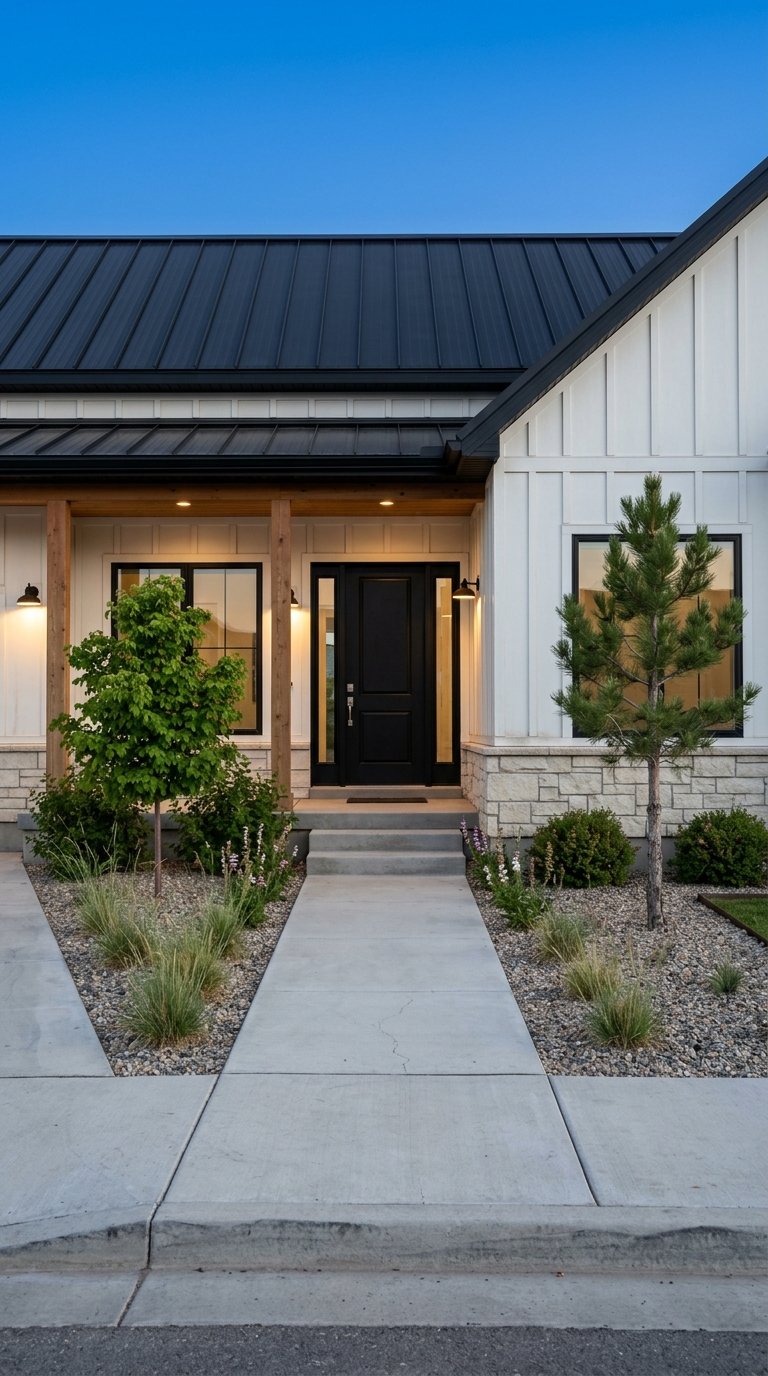
Curb appeal remains one of the strongest places to invest your time and budget. It shapes the first impression, supports your listing photos, and helps buyers feel good before they even step inside.
Simple curb appeal improvements can include:
- Cleaning up the front entry
- Touching up exterior paint where needed
- Replacing an old front door or hardware
- Trimming landscaping
- Removing dead plants or weeds
- Power washing hard surfaces
- Making sure house numbers, lights, and the mailbox look clean and functional
This lines up with both the Zonda data and the National Association of Realtors staging research, which found that improving curb appeal is one of the most common and useful seller recommendations.
Refresh key interior finishes
Inside the home, focus on updates that make the property feel clean, bright, and move-in ready. You do not need to personalize the space for every possible buyer. You just need to make it easy for buyers to imagine themselves living there.
High-impact interior prep often includes:
- Neutral paint touch-ups
- Updated cabinet or door hardware
- Repaired grout and caulk
- Deep cleaning carpets and flooring
- Better lighting in dim rooms
- Clean, clear countertops and surfaces
These changes are usually more cost-effective than major remodeling, especially if your current layout and core finishes are still functional.
Prioritize the rooms that matter most
Not every room deserves the same level of effort. If you are trying to maximize equity efficiently, focus on the spaces buyers care about most.
According to the 2025 NAR Profile of Home Staging, the living room is the most important room to stage, followed by the primary bedroom and the kitchen. Those are the spaces where your time, energy, and budget are most likely to pay off.
Living room
Your living room often sets the tone for the whole house. Remove extra furniture, improve natural light, and create a layout that feels open and easy to understand.
Primary bedroom
The primary bedroom should feel calm, clean, and spacious. Keep decor minimal, simplify bedding, and clear surfaces so the room feels restful rather than crowded.
Kitchen
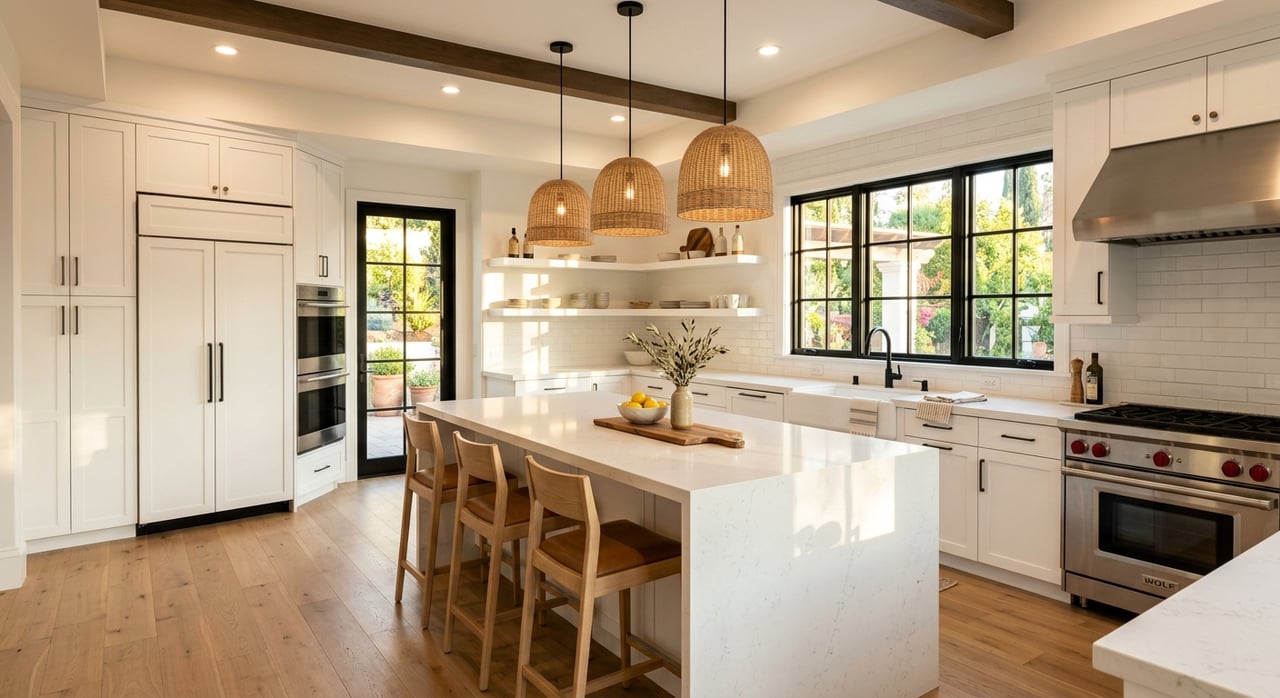
You do not need a luxury kitchen to sell well. What buyers want most is a kitchen that feels functional, clean, and well cared for. Clear counters, clean appliances, fresh caulk, and simple hardware updates can go a long way.
Use a prep timeline that supports your listing date
A strong prep plan works best when you start early enough to make smart decisions. If you wait until the last minute, you may end up skipping important repairs or spending too much on rushed work.
Six to twelve months out
Start with a full home walkthrough and separate your list into two categories: must-fix items and nice-to-have improvements. This is the right time to identify larger repair needs, especially if the work involves structure, electrical, plumbing, or mechanical systems.
If your repair plan includes work that requires permits, review the Salt Lake City building permit process early. The city notes that residential plan review has a target of 14 business days after acceptance into the queue, so bigger projects should begin well before your target listing date.
Sixty to ninety days out
This is the window for visible improvements. Focus on exterior touch-ups, paint, lighting, landscaping cleanup, grout and caulk repair, hardware updates, and deep cleaning.
It is also a good time to decide whether you will self-stage, partially stage, or bring in professional staging help. According to NAR’s 2025 staging report, 29% of agents said staging increased the dollar value offered by 1% to 10%, and 49% said it reduced time on market.
Two to four weeks out
Now your goal is clarity and simplicity. Remove excess furniture, minimize personal items, clear counters, and make the main rooms feel brighter and larger.
This is also when you should prepare for photos and showings. The home does not need to feel artificial. It just needs to feel clean, cared for, and easy for buyers to picture themselves in.
Staging and photography turn prep into leverage
Prep only helps your equity if buyers actually see the value. That is where staging and listing media matter.
The 2025 NAR Profile of Home Staging found that 83% of buyers’ agents said staging made it easier for buyers to visualize a property as a future home. The same report shows that photos, videos, virtual tours, and physical staging all matter in how buyers engage with a listing.
That makes sense because most buyers start online. In NAR’s 2026 article about listing photos, 81% of buyers said listing photos were the most useful feature during their online search.
The key is honesty. Your photos should highlight the home’s strengths without creating a mismatch between the listing and the in-person showing. Strong, accurate photography supports trust, which helps serious buyers move forward with confidence.
Price for the market you have
One of the biggest seller mistakes is assuming prep justifies any price they want. It does not. Even the best-looking home still has to compete with current listings and recent sales.
In Salt Lake City, where market data from Redfin shows homes often selling below list price and spending longer on the market than in peak years, overpricing can erase the gains from smart prep. A home that starts too high may sit, lose momentum, and invite price reductions that weaken your negotiating position.
The better strategy is to use prep to support a realistic asking price. When buyers see a well-presented home priced in line with current competition, you give yourself the best chance to protect your equity.
A practical Salt Lake City prep strategy
If you want the short version, this is the prep plan that makes the most sense for many Salt Lake City sellers right now:
- Fix visible maintenance issues first.
- Improve curb appeal.
- Refresh key interior finishes.
- Stage the living room, primary bedroom, and kitchen first.
- Use clear, honest photography.
- Price based on current comps, not on renovation emotion.
That approach fits today’s market conditions and follows the strongest research on resale value, staging, and buyer behavior. It is practical, disciplined, and focused on what actually helps you keep more of your equity.
If you are planning to sell and want a strategy that balances market timing, prep costs, and likely return, working with someone who understands both presentation and numbers can make a real difference. Danny Swett brings a practical, finance-minded approach to seller preparation so you can make smart decisions before your home hits the market.
FAQs
What home improvements add the most resale value in Salt Lake City?
- For many sellers, visible exterior improvements, curb appeal updates, and minor kitchen improvements tend to offer stronger resale value than large luxury remodels, based on the national return data cited above.
How far in advance should you prep a Salt Lake City home before listing?
- A smart timeline often starts 6 to 12 months out for major repairs and permit-related work, then shifts to cosmetic improvements and staging in the final 60 to 90 days before listing.
Does staging really help a Salt Lake City home sell for more?
- According to NAR’s 2025 staging report, 29% of agents said staging increased the dollar value offered by 1% to 10%, and 49% said it reduced time on market.
Which rooms should you stage first when selling a Salt Lake City home?
- NAR’s 2025 staging research found that the living room, primary bedroom, and kitchen are the most important rooms to prioritize.
Do you need permits for repair work before selling a Salt Lake City home?
- Some building, electrical, plumbing, and mechanical work may require permits in Salt Lake City, so it is wise to review the city’s permit requirements early if you are planning larger repairs.
Should you price higher after improving a Salt Lake City home before listing?
- Prep should support a competitive, realistic list price based on current comps and market conditions, not justify an inflated asking price that could cause the home to sit.